
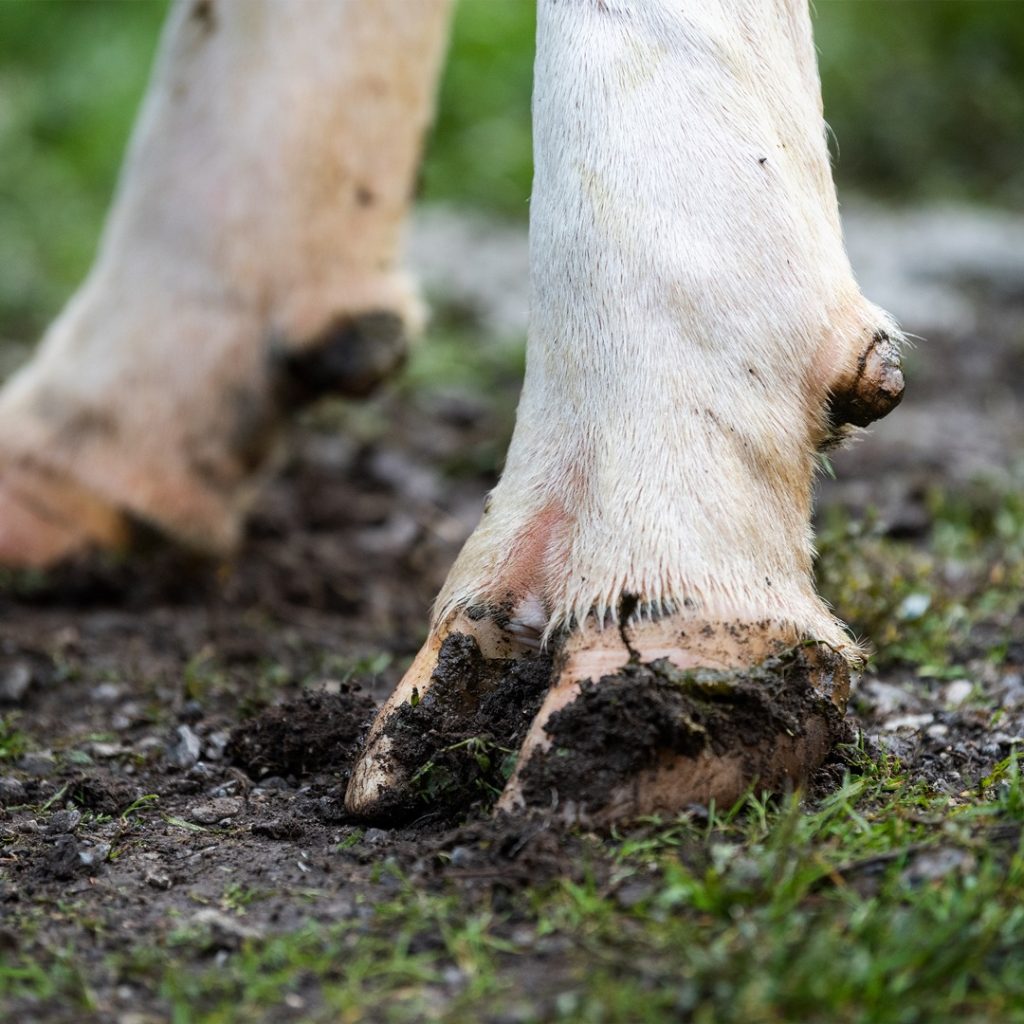
The rainy season brings welcome relief from the heat, but for dairy farmers, it also brings a serious set of challenges, especially when it comes to infections and hoof problems in cattle. Wet and muddy conditions create an ideal environment for bacteria, fungi, and parasites that can harm your dairy herd. These conditions significantly increase the risk of hoof-related diseases, such as foot rot and digital dermatitis. Proper management is essential to protect your animals, maintain milk yield, and avoid costly health issues.
Below are practical strategies to keep your cattle healthy and infection-free during the rainy season, especially in regions like Pakistan.
1. Prevent Mud and Standing Water
Wet, muddy environments are breeding grounds for pathogens that cause hoof diseases like foot rot and digital dermatitis. Ensure your farm has proper drainage to prevent water accumulation. Use gravel or sand in high-traffic areas to reduce mud buildup, especially near feeding and watering stations.
2. Maintain Hoof Hygiene and Routine Care
Regular hoof trimming is essential to prevent overgrowth and injury. Implement footbaths using mild disinfectant solutions such as copper sulfate or zinc sulfate to kill bacteria and fungi. Inspect hooves weekly during the rainy season and treat any early signs of infection immediately.
3. Provide Dry, Clean Bedding
Damp bedding materials can harbour harmful microbes and increase the risk of skin and udder infections like mastitis. Use dry straw, sawdust, or sand as bedding and replace it frequently. Elevate cow resting areas or use sloped flooring to encourage water runoff and keep spaces dry.
4. Boost Immunity Through Nutrition
Proper nutrition helps strengthen your cattle’s natural defences. Feeding high-quality, mould-free rations like in dairy feed DairyLac’s 22 Number Feed ensures your herd receives the vitamins, minerals, and energy needed to fight off infections. Adding immune-boosting supplements like yeast metabolites (e.g., XPM) can further enhance resistance to disease.
5. Enhance Farm Cleanliness and Biosecurity
During the monsoon, increase the frequency of cleaning barns, alleys, and equipment. Disinfect surfaces and keep manure areas far from animal housing. Limit visitors to essential personnel only and sanitise footwear to reduce disease spread.
6. Watch for Early Signs of Trouble
Early detection can prevent a minor issue from becoming a major outbreak. Watch for:
-
Limping or reluctance to walk
-
Swollen or hot hooves
-
Foul-smelling discharge
-
Skin lesions or hair loss
If symptoms appear, isolate the affected animal and consult a vet immediately.
Conclusion
Rainy season management isn’t just about keeping your herd dry—it’s about proactive health protection. By focusing on clean, dry environments, good hoof care, and balanced nutrition, dairy farmers can safeguard their animals from common monsoon challenges. With the right approach and support from products like DairyLac’s 22 Number Feed and XPM, your herd can stay healthy and productive all year long.