
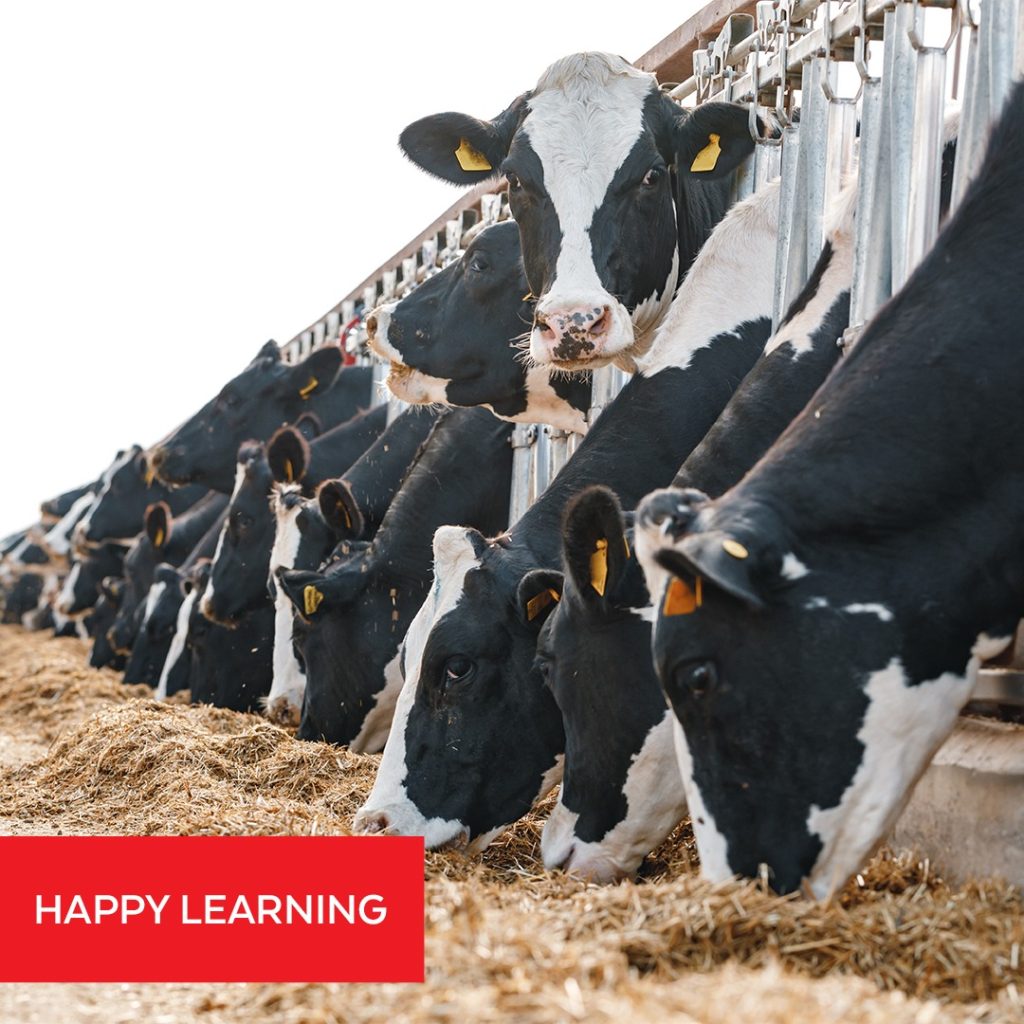
Running a successful dairy farm is all about consistency, organization, and care. Every task — from feeding to milking — plays a vital role in maintaining healthy dairy cattle and achieving higher milk production. A well-structured daily routine ensures smooth operations, improves animal health, and boosts overall farm efficiency.
Below is a comprehensive daily routine checklist that every dairy farmer can follow to make their dairy farm more productive and profitable.
1. Early Morning Inspection
Start the day by observing your herd’s general health and behavior. Check for any signs of lameness in cows, hoof problems, or unusual activity levels. Healthy dairy cows are usually active and alert during feeding time.
Also, inspect the sheds to ensure proper cattle hygiene and ventilation. Clean and dry housing helps prevent hoof infection and other diseases.
2. Clean and Sanitize Milking Equipment
Cleanliness is the foundation of dairy cattle management. Before every milking session, thoroughly wash and sanitize all milking machines, buckets, and pipelines. This step prevents bacterial contamination and ensures animal health and milk quality.
Proper sanitation also reduces the risk of mastitis — one of the most common health problems in dairy farming.
3. Milking Schedule and Hygiene
Follow a consistent milking schedule — ideally twice a day. Before milking, clean the udder and teats using warm water or an approved disinfectant. Maintain calm handling to minimize stress, which can affect milk yield.
Record milk output daily to track performance and spot any drops in production early.
4. Balanced Feeding Routine
Feeding plays a direct role in productivity. Provide dairy feed that’s rich in energy, protein, vitamins, and minerals. The best dairy farmers ensure cattle receive enough dry matter and water to support healthy digestion.
Supplements like DairyLac’s high-quality feed help improve rumen function and overall farm management results. Regular feeding times encourage consistent eating habits, better metabolism, and improved animal health.
5. Hoof Care and Hygiene Practices
Regular hoof trimming and maintaining a hoof care routine are essential for preventing lameness and improving dairy cow hoof health. Use a foot bath for cows every few days to reduce hoof infection and keep hooves strong and clean.
Clean bedding and dry flooring are equally important to avoid mud and manure buildup, which can lead to serious hoof problems in dairy cows.
6. Record Keeping and Observation
Document everything — feeding schedules, breeding data, health checks, and milk production trends. Regular monitoring helps identify patterns and detect potential issues early.
Good records also support better decision-making in nutrition, breeding, and overall dairy cattle management.
7. Evening Wrap-Up
Before closing the day, perform another round of inspection. Check if the animals have enough clean water, inspect for injuries, and ensure proper ventilation in sheds.
A peaceful and clean environment ensures cows remain comfortable through the night, supporting strong immunity and consistent milk production.
A disciplined daily routine is the backbone of a productive dairy farm. From proper hoof care to balanced feeding and hygiene, every step directly impacts the health and performance of your herd. Consistency, observation, and cleanliness help dairy farmers build sustainable and efficient operations.