
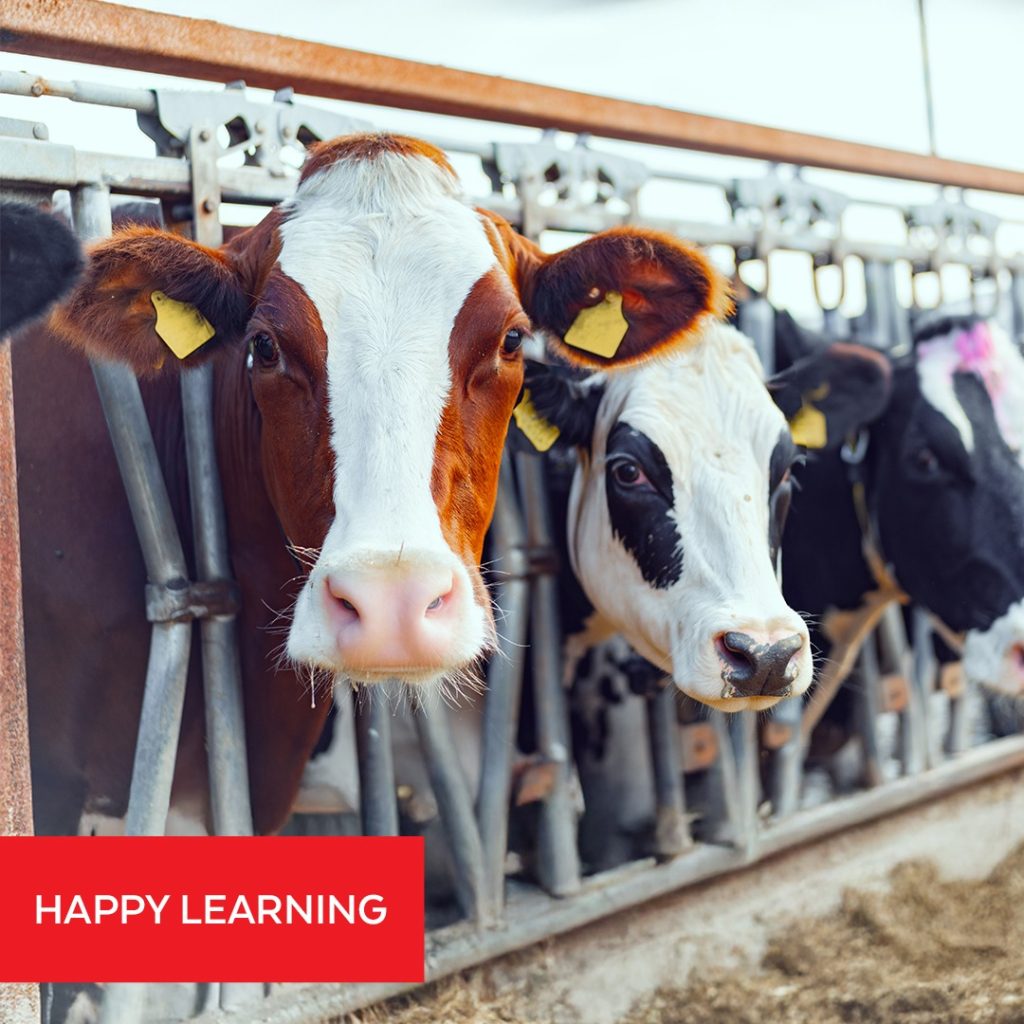
Proper nutrition management is one of the most important factors in building healthy, productive, and profitable livestock herds. Whether the goal is higher milk yield, better growth rates, or improved disease resistance, balanced and well-managed nutrition directly impacts animal performance. Poor feeding practices, on the other hand, often lead to weak immunity, low productivity, and higher veterinary costs.
Effective livestock nutrition management focuses not only on what animals eat, but also how, when, and in what quantity they are fed.
1. Understand the Nutritional Needs of Livestock
Different animals have different nutritional requirements based on age, breed, body weight, and production stage. Calves, heifers, lactating cows, and dry animals all need specific nutrient balances.
A healthy ration should include:
-
Energy for maintenance and production
-
Protein for growth and milk synthesis
-
Fiber for proper rumen function
-
Minerals and vitamins for immunity and reproduction
Matching feed formulation with animal needs is the foundation of healthier herds.
2. Maintain Consistent Feeding Schedules
Consistency plays a major role in digestion and rumen stability. Irregular feeding times or sudden feed changes can stress animals and reduce feed intake.
Best practices include:
-
Feeding at the same times every day
-
Avoiding sudden changes in feed ingredients
-
Gradually transitioning between rations
Stable feeding routines improve digestion and overall animal comfort.
3. Focus on Feed Quality and Digestibility
High-quality feed is more important than feeding large quantities. Poor-quality or contaminated feed reduces nutrient absorption and can cause digestive disorders.
Farmers should:
-
Store feed in dry, clean conditions
-
Prevent mould and toxin contamination
-
Use properly processed grains and forages
Highly digestible feed improves nutrient utilization and supports consistent performance.
4. Ensure Proper Mineral and Vitamin Balance
Mineral deficiencies often go unnoticed but can severely affect herd health. Issues such as weak bones, low fertility, and reduced immunity are commonly linked to mineral imbalance.
A complete nutrition program must include:
-
Calcium and phosphorus for milk and bone health
-
Trace minerals for immunity and metabolism
-
Vitamins to support growth and reproduction
Using complete feed solutions helps ensure animals receive these nutrients in the correct proportions.
5. Water Management Is Part of Nutrition
Clean, fresh water is essential for digestion, milk production, and temperature regulation. Animals without adequate water intake will not consume enough feed, regardless of feed quality.
Water troughs should be cleaned regularly, and animals should have easy access at all times.
6. Choose Reliable Nutrition Solutions
To simplify feeding and ensure consistent results, many progressive farmers rely on scientifically formulated dairy feed rather than trial-and-error feeding methods. Trusted feed solutions like our dairy feed are designed to support digestion, immunity, and productivity under local farming conditions, helping farmers maintain healthier herds with confidence.
Strong livestock nutrition management is the key to healthier herds, better productivity, and long-term farm success. By focusing on balanced diets, feed quality, consistency, and proper supplementation, farmers can significantly improve animal health and performance.
Combining good management practices with reliable nutrition support, such as DairyLac feed, allows farmers to achieve sustainable results while protecting herd health and farm profitability.