
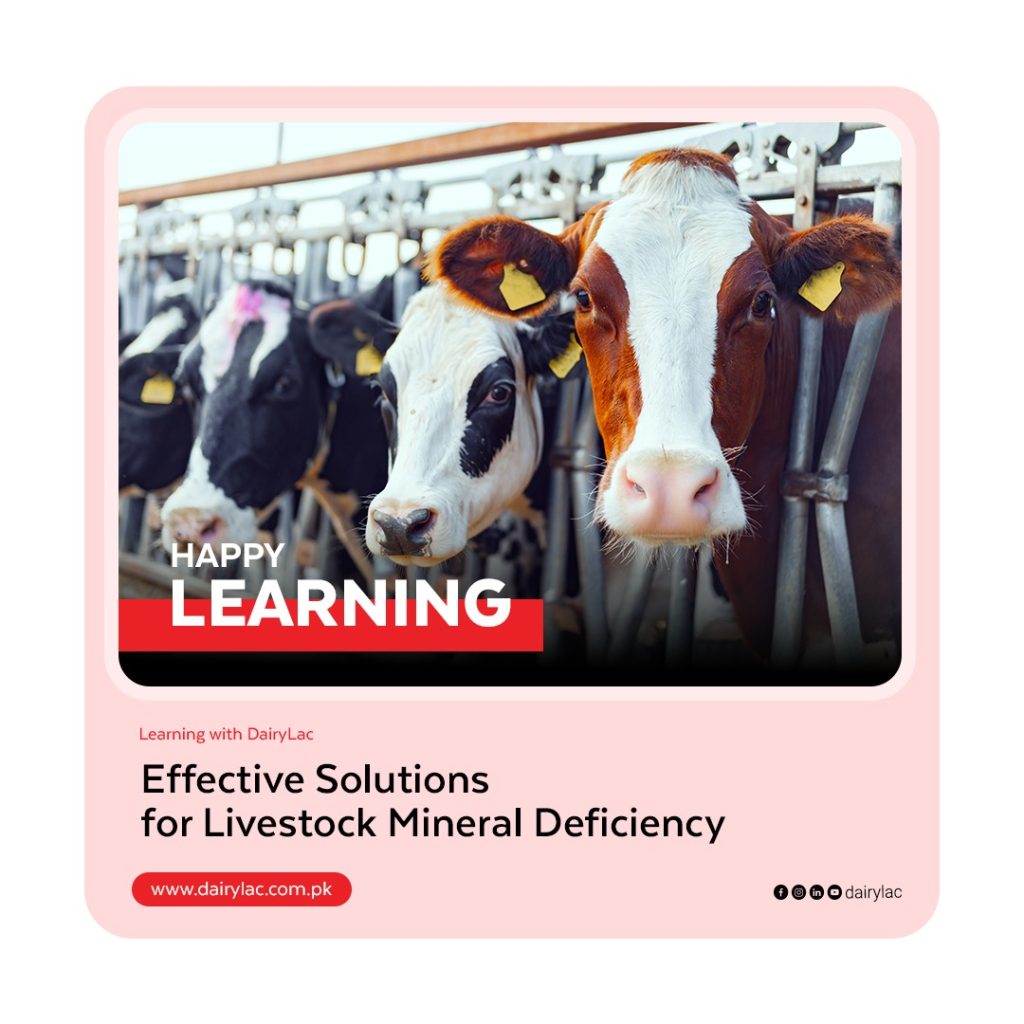
Mineral deficiency is a common yet often overlooked issue in Pakistan’s livestock sector. Many dairy farmers focus on feeding quantity but ignore the importance of balanced minerals, which are essential for milk production, fertility, immunity, and overall animal health. If not addressed on time, mineral deficiencies can lead to serious productivity losses and long-term herd problems.
Understanding and applying the right solutions for livestock mineral deficiency can significantly improve farm performance and profitability.
Why Mineral Deficiency is Common in Pakistan
In Pakistan, livestock mainly depend on:
- Crop residues like wheat straw
- Seasonal green fodder
- Low-quality grazing land
These feed sources often lack essential minerals like calcium, phosphorus, zinc, and magnesium. Soil quality and regional variations also contribute to nutrient deficiencies, making it difficult for animals to meet their daily mineral requirements naturally.
Common Signs of Mineral Deficiency in Livestock
Farmers should watch for early warning signs such as:
- Reduced milk yield
- Weak bones and lameness
- Poor fertility and delayed heat cycles
- Hair loss or rough coat
- Low immunity and frequent illness
Ignoring these symptoms can lead to severe health issues and financial losses.
Key Minerals Required for Dairy Animals
1. Calcium and Phosphorus
Essential for milk production, bone strength, and reproductive health.
2. Magnesium
Supports nerve function and prevents metabolic disorders.
3. Zinc
Improves skin health, immunity, and hoof strength.
4. Copper and Selenium
Important for immune response and disease resistance.
Effective Solutions for Livestock Mineral Deficiency
1. Use Balanced Mineral Mixtures
Providing a daily mineral mixture is the most effective way to prevent deficiencies. It ensures animals receive all essential macro and micro minerals in the right proportion.
2. Improve Feed Quality
Include high-quality green fodder, silage, and concentrates in the diet. Better feed quality means better mineral availability.
3. Add Mineral Blocks or Licks
Mineral blocks allow animals to consume minerals as needed, especially in grazing systems.
4. Regular Health Monitoring
Routine observation and veterinary check-ups help detect deficiencies early and prevent major issues.
5. Adopt Scientifically Formulated Feed
Many progressive farmers in Pakistan are shifting toward complete dairy feed solutions that already contain balanced minerals. Reliable feed options like Fedmix help ensure consistent nutrient intake, supporting better milk yield and herd health.
Do’s and Don’ts for Farmers
Do’s
- Provide mineral mixture daily
- Store feed properly to prevent nutrient loss
- Monitor milk production and animal condition
- Consult a vet or nutritionist for proper formulation
Don’ts
- Don’t rely only on traditional feed
- Don’t ignore early deficiency signs
- Don’t over-supplement without guidance
- Don’t use low-quality mineral sources
Benefits of Proper Mineral Nutrition
Addressing mineral deficiency leads to:
- Increased milk production
- Stronger bones and better mobility
- Improved fertility and conception rates
- Enhanced immunity and disease resistance
- Higher overall farm profitability
FAQs – Livestock Mineral Deficiency
Q1: How can I know if my animals have mineral deficiency?
Look for signs like low milk yield, weak bones, and poor fertility.
Q2: Is mineral mixture necessary if I provide green fodder?
Yes, green fodder alone often cannot meet all mineral requirements.
Q3: How often should mineral supplements be given?
Daily supplementation is recommended for best results.
Q4: Can mineral deficiency affect milk quality?
Yes, it can reduce both quantity and quality of milk.
Strengthen Your Herd with Balanced Nutrition
Mineral deficiency is a hidden problem that can silently reduce productivity in dairy farms. By using balanced mineral mixtures, improving feed quality, and adopting better nutrition practices, farmers can protect their livestock and increase profitability. Choosing reliable, nutritionally balanced feed solutions like goodman’s can further support consistent mineral intake and long-term herd performance.