
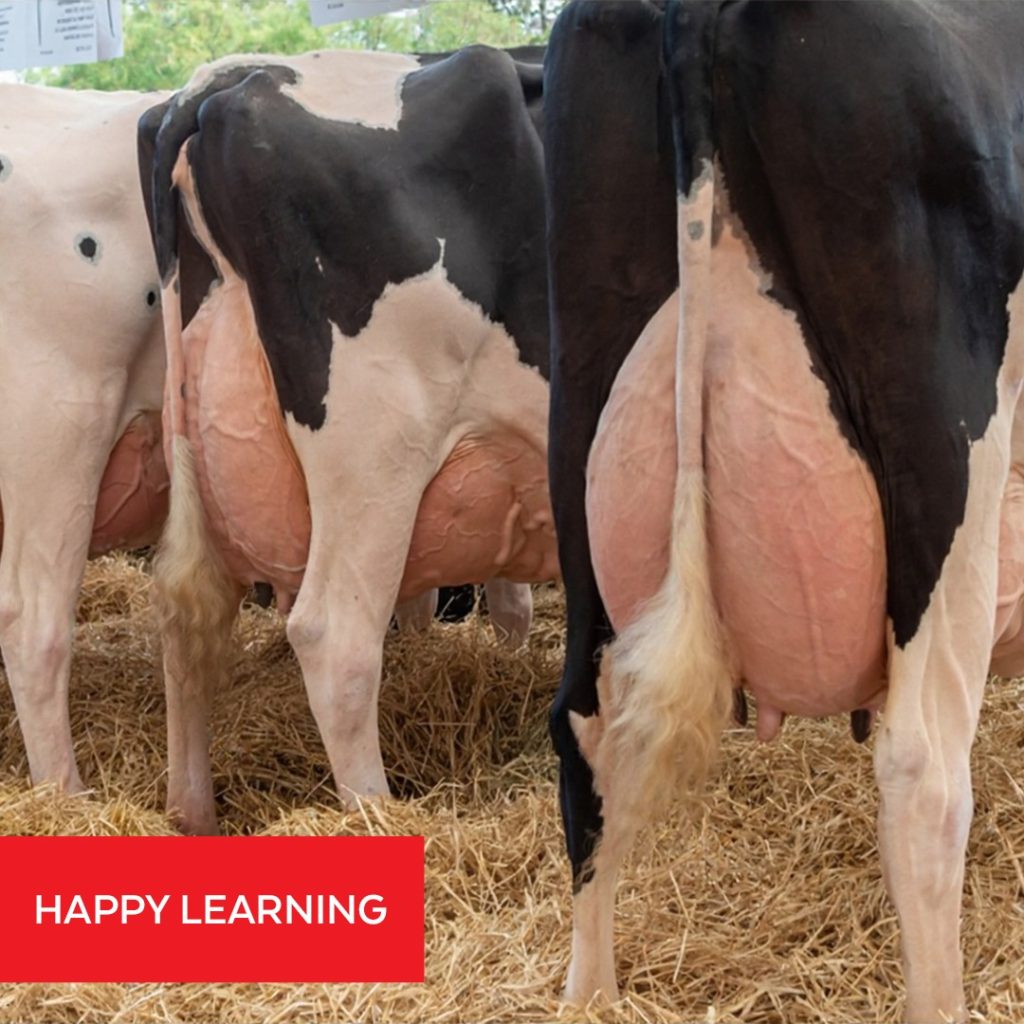
Livestock feed formulation plays a critical role in improving milk production and farm profitability in Pakistan. Many dairy farmers focus only on increasing feed quantity, but the real secret lies in providing a balanced and scientifically formulated ration. Proper feed formulation ensures that dairy cows receive the right nutrients at the right stage of production, leading to better milk yield, stronger immunity, and improved reproductive performance.
In Pakistan’s dairy sector, where feed costs make up 60–70% of total farm expenses, smart feed formulation is the key to maximizing returns.
Why Feed Formulation Matters for Pakistani Dairy Farmers
Traditional feeding methods often rely heavily on:
-
Wheat straw
-
Seasonal green fodder
-
Cottonseed cake
-
Home-mixed concentrates
While these ingredients are useful, imbalance in protein, energy, and minerals can limit milk production. Poor feed formulation leads to:
-
Low milk yield
-
Weak body condition
-
Poor fertility
-
Higher disease risk
A properly balanced dairy ration improves both productivity and long-term profitability.
Key Nutrients Required for High Milk Yield
1. Energy
Energy is the primary driver of milk production. Sources include maize, barley, molasses, and high-quality concentrates. Energy deficiency leads to reduced milk output and weight loss.
2. Protein
Protein supports milk synthesis and body tissue repair. Common protein sources in Pakistan include soybean meal, canola meal, and cottonseed cake.
3. Fiber
Adequate fiber maintains rumen health and prevents digestive disorders. Good-quality silage and green fodder help maintain proper rumen function.
4. Minerals and Vitamins
Calcium, phosphorus, magnesium, and trace minerals are essential for milk production, immunity, and reproductive health.
Common Feed Formulation Mistakes
Many farmers unintentionally reduce milk yield by:
-
Overfeeding low-quality roughage
-
Ignoring mineral supplementation
-
Making sudden changes in ration
-
Feeding inconsistent concentrate quantities
These mistakes increase feed costs without improving productivity.
Best Practices for Livestock Feed Formulation
To achieve higher milk yield, farmers should:
-
Balance energy and protein levels according to lactation stage
-
Use Total Mixed Ration (TMR) if possible
-
Ensure clean and fresh water availability
-
Adjust feed during extreme weather conditions
-
Monitor body condition score regularly
Using well-formulated dairy feed helps maintain consistent nutrient supply, which directly supports higher milk production.
How Proper Feed Formulation Improves Farm Profitability
When livestock feed formulation is done correctly:
-
Milk yield increases
-
Veterinary expenses decrease
-
Feed efficiency improves
-
Cows maintain better body condition
-
Reproductive performance improves
Higher productivity per animal means better returns without increasing herd size.
Do’s and Don’ts
Do’s
-
Test feed ingredients when possible
-
Provide mineral mixture daily
-
Gradually introduce new feed
-
Consult a livestock nutrition expert
Don’ts
-
Don’t rely only on wheat straw
-
Don’t ignore lactation stage differences
-
Don’t compromise on feed quality
-
Don’t reduce concentrate during peak lactation
Livestock feed formulation is not just about feeding, it is about feeding smart. Pakistani dairy farmers who focus on balanced nutrition see better milk yield, healthier animals, and improved farm profitability. Investing in quality feed solutions and proper ration planning is one of the most effective ways to strengthen dairy farm income and ensure long-term sustainability.