
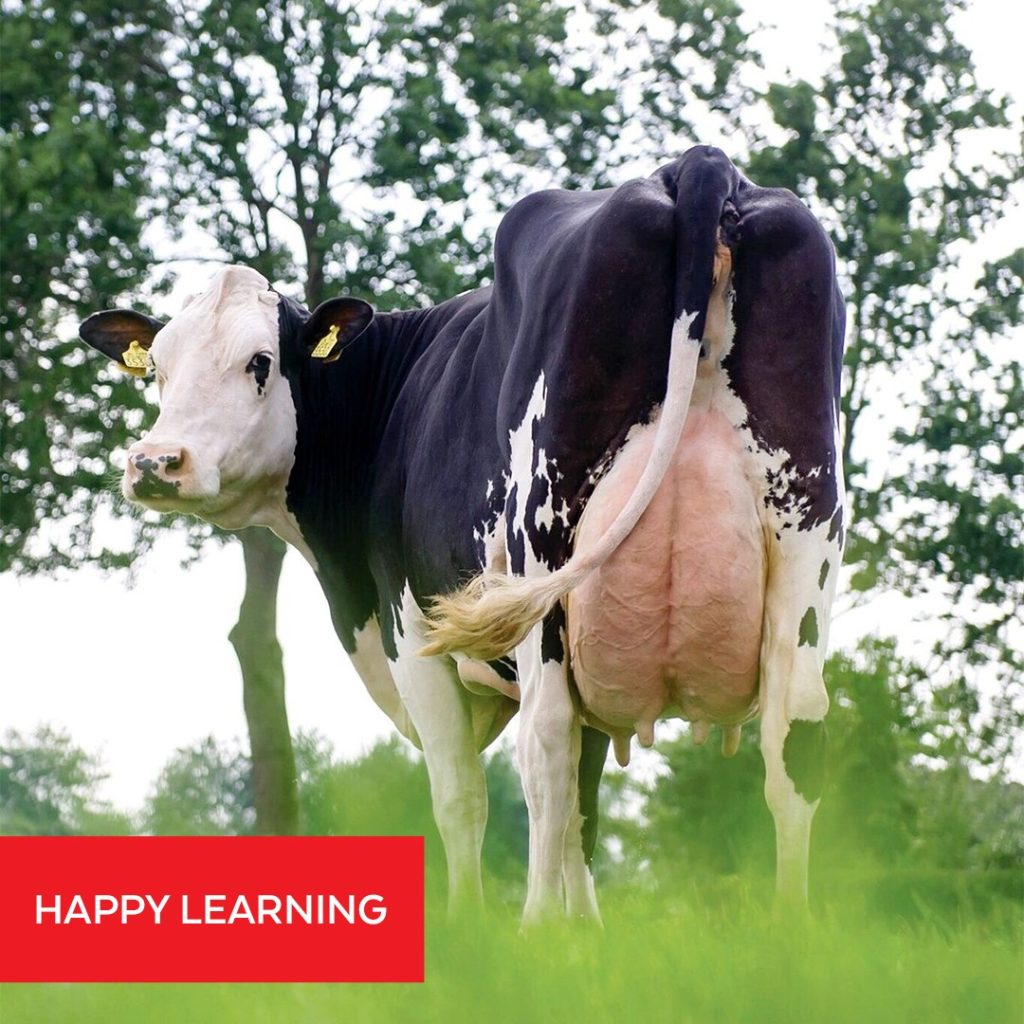
Proper feed formulation is the backbone of profitable and sustainable livestock farming. Whether managing dairy cows, buffaloes, or other farm animals, a well-balanced feed directly impacts milk production, growth rate, immunity, and overall animal health. Poor feed formulation, on the other hand, leads to low productivity, higher disease risk, and unnecessary feed costs.
This guide explains how smart livestock feed formulation can help farmers achieve higher productivity while maintaining long-term herd health.
1. Understand the Nutritional Needs of Livestock
Every animal has different nutritional requirements depending on age, body weight, production stage, and purpose (growth or milk production). A productive feed formulation should include:
-
Energy sources (grains, maize, fats)
-
Proteins for muscle and milk synthesis
-
Fiber to support rumen health
-
Minerals and vitamins for immunity and reproduction
Balancing these nutrients correctly ensures animals convert feed efficiently into milk or body weight.
2. Balance Energy and Protein for Better Performance
One of the most common mistakes in feed formulation is excess protein without adequate energy. This leads to poor nutrient utilization and wastage.
For high-producing dairy animals, the feed must offer:
-
Adequate energy density to support milk yield
-
Optimal protein levels to maintain body condition
-
Controlled starch to avoid digestive disorders
Balanced rations improve feed conversion ratio (FCR) and reduce metabolic stress.
3. Focus on Digestibility, Not Just Quantity
High productivity does not come from feeding more, it comes from feeding better. Digestibility plays a major role in how much nutrition the animal actually absorbs.
Including quality raw materials, proper grinding, and scientifically designed formulations helps:
-
Improve rumen efficiency
-
Reduce feed wastage
-
Maintain consistent milk production
This is where professionally formulated feeds provide a clear advantage over unbalanced homemade mixes.
4. Include Minerals and Additives Wisely
Mineral deficiencies often go unnoticed but silently reduce productivity. A good feed formulation must include:
-
Calcium and phosphorus for milk and bone health
-
Trace minerals for fertility and immunity
-
Buffers to maintain rumen pH
Modern livestock farmers increasingly prefer complete feeds that already include these elements in the right proportions.
5. Adjust Feed According to Production Stage
Feed formulation should change with the animal’s needs:
-
Early lactation: higher energy and protein
-
Mid-lactation: balanced maintenance and production
-
Dry period: controlled energy to avoid metabolic issues
This strategic feeding approach supports long-term productivity and animal longevity.
6. Choose Trusted Feed Solutions
For farmers aiming for consistent results, relying on scientifically formulated dairy feed saves time, reduces guesswork, and improves performance. Many progressive farmers prefer balanced solutions like DairyLac feed, which are designed to support digestion, milk yield, and overall herd health under local farming conditions.
Choosing the right feed partner can make a noticeable difference in productivity and profitability.
Effective livestock feed formulation is a combination of nutrition science, quality ingredients, and proper management. When animals receive the right nutrients in the right balance, they stay healthier, produce more, and perform consistently.
For farmers looking to simplify feeding while maximizing output, adopting a professionally formulated feed such as DairyLac can be a smart step toward higher productivity and sustainable livestock farming.