
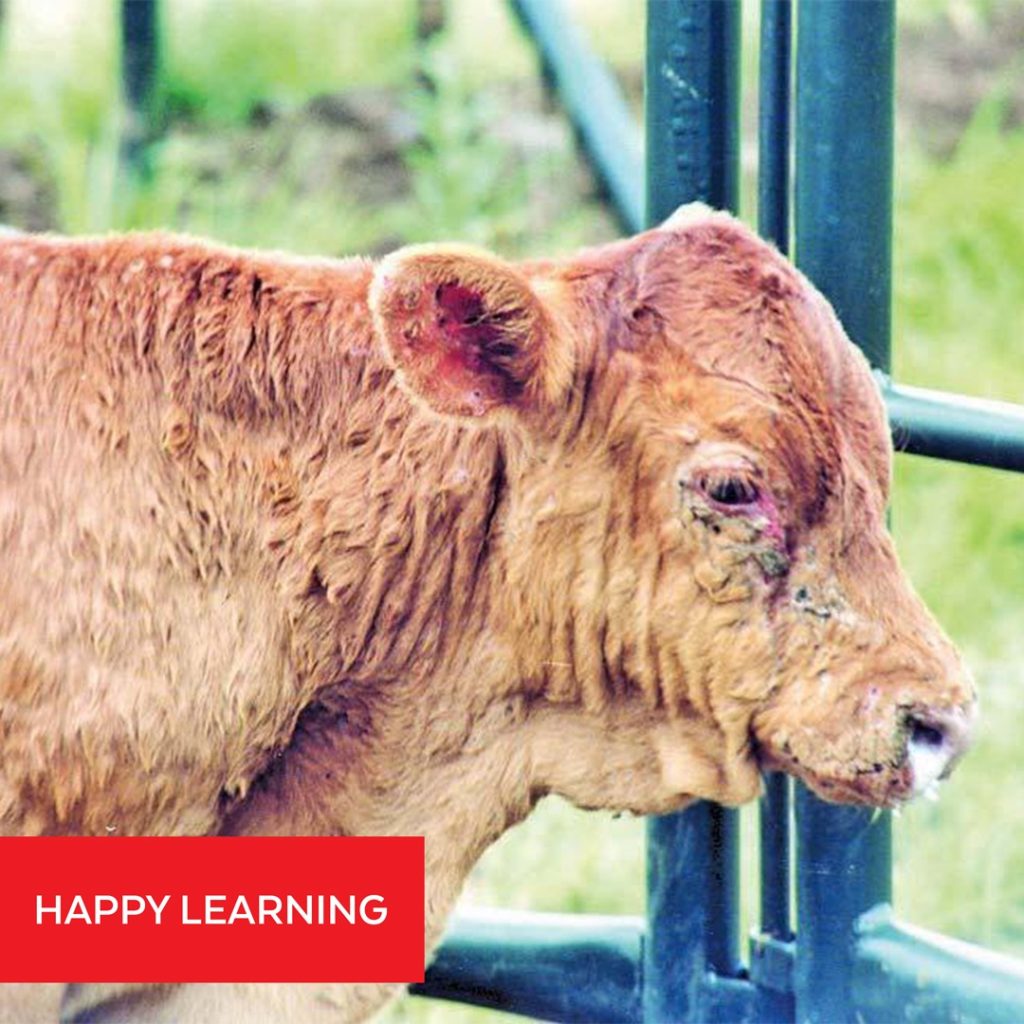
Lumpy Skin Disease (LSD) has become a growing concern for dairy farmers, especially in regions with warm climates and high mosquito activity. This viral disease affects dairy cattle severely, leading to economic losses, reduced milk production, and even long-term health complications if not managed properly. Understanding its causes, identifying symptoms early, and taking preventive measures are crucial for protecting your herd.
What is Lumpy Skin Disease?
Lumpy Skin Disease is a viral infection in cattle caused by the Capripoxvirus. It is primarily spread through biting insects such as mosquitoes, flies, and ticks. The disease is highly contagious and can spread rapidly within a herd, making it a serious challenge for dairy farmers.
Causes of Lumpy Skin Disease in Cattle
The major causes of LSD include:
-
Insect bites (mosquitoes, flies, ticks) acting as carriers of the virus
-
Direct contact between infected and healthy cattle
-
Contaminated feed, water, or equipment
-
Unhygienic housing conditions, which increase exposure to disease vectors
Symptoms of Lumpy Skin Disease
Dairy farmers should look out for the following signs:
-
Firm, raised nodules on the skin (often on the head, neck, and limbs)
-
Fever and reduced appetite
-
Swollen lymph nodes
-
Watery eyes and nasal discharge
-
Significant drop in milk production
-
General weakness and discomfort
If left untreated, LSD can lead to severe secondary infections, weight loss, and reproductive issues in dairy cows.
LSD has a direct impact on farm productivity. Infected cows experience a sharp decline in milk yield, slower growth rates, and in some cases, permanent damage to skin and hides. For farmers in countries like Pakistan, where dairy is a major livelihood, preventing LSD is essential to avoid financial losses.
How to Prevent Lumpy Skin Disease
While treatment is mostly supportive, prevention is the most effective approach:
-
Vaccination – Regular vaccination of cattle against LSD is the best defence.
-
Vector control – Use fly repellents, insecticides, and proper waste management to reduce insect breeding grounds.
-
Farm hygiene – Keep housing areas clean, dry, and well-ventilated.
-
Isolate infected animals – Separate sick cattle to prevent the disease from spreading.
-
Strengthen immunity – Provide balanced dairy feed with essential nutrients to improve cattle resistance against infections.
Lumpy Skin Disease in cattle is a major threat to dairy farmers, but with early detection and proper preventive measures, its impact can be minimized. Maintaining good farm hygiene, ensuring timely vaccination, and providing high-quality cattle feed are key strategies to keep your herd safe and productive.