
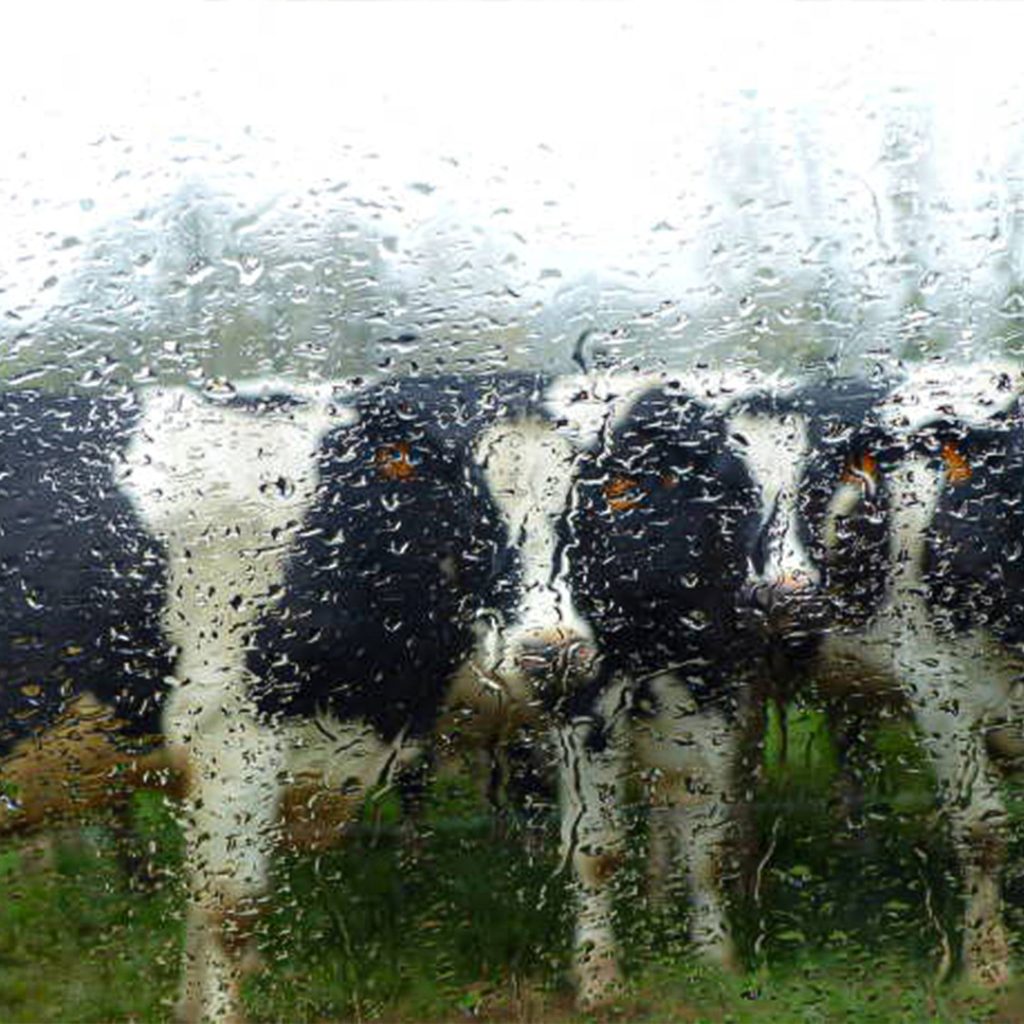
The rainy season brings much-needed relief from heat but also presents unique challenges for dairy farmers. Excessive moisture, muddy conditions, and increased humidity can impact cattle health, feed quality, and farm hygiene. Proper management during this season is essential to prevent disease, maintain milk production, and ensure cattle comfort. Here’s a practical guide for dairy farmers in Pakistan to manage their farms effectively during the rainy season.
1. Provide Dry and Clean Shelter
During the rainy season, one of the biggest risks is wet and muddy floors. Prolonged exposure to damp conditions can lead to foot problems, skin infections, and stress in cattle. Ensure your sheds are properly roofed, well-drained, and have a dry bedding area. Elevate the flooring or use dry bedding materials like straw or sawdust to absorb moisture and keep cattle comfortable.
2. Improve Drainage Around the Farm
Standing water not only makes movement difficult for animals but also becomes a breeding ground for insects and harmful bacteria. Create proper drainage channels around your sheds and feeding areas to quickly divert rainwater. This minimizes mud buildup and reduces the risk of infections such as foot rot or mastitis.
3. Protect Feed and Maintain Quality
Rain and humidity can spoil stored feed and cause fungal growth, especially in silage and concentrates. Use covered, waterproof storage areas and sealed containers to protect feed from moisture. During the rainy season, it’s important to feed high-quality, mould-free cattle feed such as Dairy feed DairyLac 22 Number Feed, which ensures consistent nutrition even when other feed options are affected by weather.
4. Ensure Clean Drinking Water
Rainwater runoff can contaminate drinking sources with mud, manure, and bacteria. Regularly clean water troughs and make sure the water is fresh and free of contaminants. Cattle need access to clean water at all times, especially in humid conditions that can cause dehydration.
5. Prevent Hoof and Skin Infections
Wet and muddy environments can lead to hoof infections, dermatitis, and other skin issues. Trim hooves regularly and use foot baths with disinfectant to prevent hoof diseases. Keep cattle dry as much as possible and monitor them daily for early signs of infection.
6. Maintain Hygiene and Farm Cleanliness
The risk of bacterial and parasitic infections increases during the rainy season. Regularly clean sheds, remove manure promptly, and spray natural disinfectants to minimize disease risk. Keep calf pens extra clean, as young animals are more vulnerable to infections in wet conditions.
7. Monitor Cattle Health Closely
Changes in weather can cause stress, making cattle more susceptible to disease. Watch for signs such as coughing, fever, lameness, or reduced feed intake. Keep your vaccination and deworming schedules up to date, and consult a vet if any unusual symptoms appear.
Conclusion
The rainy season doesn’t have to disrupt your dairy farm’s productivity. With proper planning, shelter maintenance, and nutrition, you can keep your cattle healthy and comfortable despite the challenges. Investing in reliable feed solutions, such as DairyLac 22 Number Feed, ensures your herd receives the essential nutrients they need, rain or shine.